
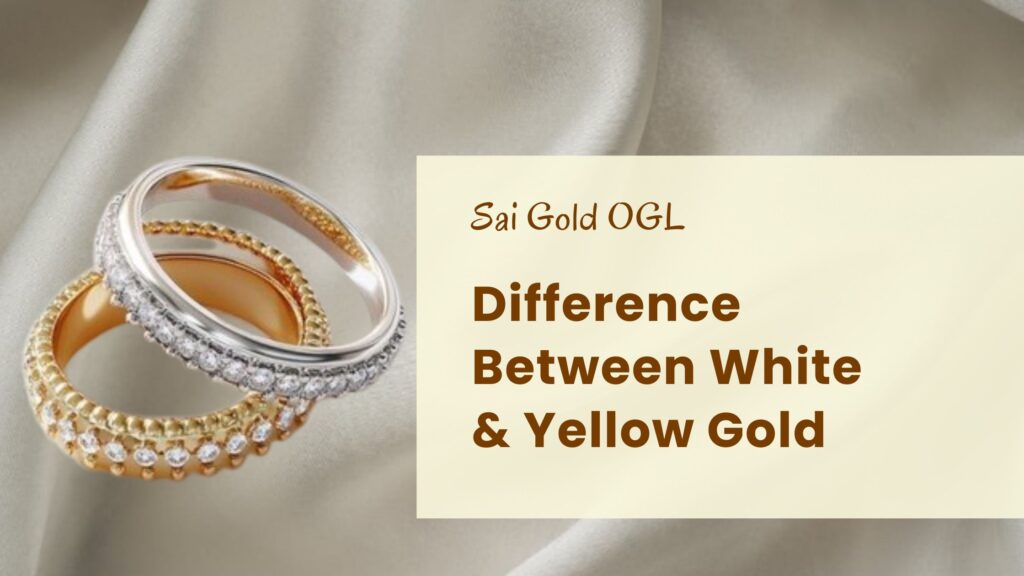
Gold has been treasured for centuries, not only for its beauty but also for its value and durability. When choosing gold jewelry today especially for engagement rings, wedding bands, or investment pieces; buyers often find themselves deciding between white gold and yellow gold. While both are made from real gold, they differ in appearance, composition, purity, maintenance, and price.
This article explores the key differences between white gold and yellow gold, with a special focus on purity and price, helping you make an informed choice.
What Is Gold Purity?
Pure gold (24K) is naturally soft and malleable, making it impractical for most jewelry. To increase strength and durability, gold is mixed with other metals to form an alloy. The purity of gold is measured in karats (K):
- 24K – 99.9% pure gold
- 22K – 91.6% pure gold
- 18K – 75% pure gold
- 14K – 58.3% pure gold
- 10K – 41.7% pure gold
Both are available in these karat levels, meaning their purity can be exactly the same.
Want to understand gold purity in more detail?
If you are confused about karat numbers and what they actually mean, read our detailed guide Gold Carat Numbers Explained: 24K, 22K, 18K & Their Purity Differences to clearly understand how gold purity is measured and how each carat level differs.
What Is Yellow Gold?
Composition
Yellow gold is created by mixing pure gold with metals such as:
- Copper
- Silver
- Zinc (sometimes)
These metals strengthen the gold while preserving its warm yellow color.
Appearance
Yellow gold has a rich, classic golden hue that closely resembles pure gold. The higher the karat, the deeper and warmer the color.
Purity
Yellow gold maintains its color naturally, regardless of karat. For example:
- 18K yellow gold is 75% pure gold
- 14K yellow gold is 58.3% pure gold
No additional surface treatments are required.
Durability
- Higher karat yellow gold (18K, 22K) is softer
- Lower karat (14K) is more durable and scratch resistant
What Is White Gold?
Composition
White gold is an alloy of pure gold mixed with white metals, such as:
- Nickel
- Palladium
- Silver
To enhance its white appearance, white gold is usually coated with rhodium, a bright white metal from the platinum family.
Appearance
White gold has a silvery white, reflective finish, often mistaken for platinum. The rhodium plating gives it extra shine and brightness.
Purity
Like yellow gold, white gold purity depends on karat:
- 18K white gold = 75% pure gold
- 14K white gold = 58.3% pure gold
The difference lies in the alloy metals, not the gold content.
Durability
- White gold is generally harder than yellow gold
- Rhodium plating adds surface strength but wears off over time
White Gold vs Yellow Gold: Purity Comparison
There is no inherent purity difference between white gold and yellow gold of the same karat.
| Karat | Gold Purity | White Gold | Yellow Gold |
|---|---|---|---|
| 18K | 75% | Same | Same |
| 14K | 58.3% | Same | Same |
| 10K | 41.7% | Same | Same |
Key takeaway:
A 14K white gold ring and a 14K yellow gold ring contain exactly the same amount of pure gold.
White Gold vs Yellow Gold: Price Comparison
Gold Content Cost
Since purity can be identical, the base gold value is usually the same for both types when:
- Weight is equal
- Karat is equal
- Market gold price is the same
Alloy Metal Costs
- Yellow gold alloys (copper, silver) are relatively inexpensive
- White gold may use palladium, which is more costly than copper or silver
This can make white gold slightly more expensive in some cases.
Rhodium Plating Cost (White Gold Only)
White gold requires rhodium plating:
- Adds to initial cost
- Needs re plating every 1–3 years
- Maintenance increases long term cost
Yellow gold does not require plating, making it cheaper to maintain over time.
Price Summary
| Factor | White Gold | Yellow Gold |
|---|---|---|
| Initial price | Slightly higher | Slightly lower |
| Maintenance cost | Higher (re plating) | Very low |
| Long-term cost | Higher | Lower |
Maintenance and Longevity
White Gold
- Rhodium plating wears off with daily wear
- Needs periodic re plating to maintain color
- More resistant to scratches initially
Yellow Gold
- No plating required
- Scratches more easily but are less noticeable
- Easier to polish and restore
Skin Sensitivity Considerations
- White gold may contain nickel, which can cause allergic reactions
- Nickel free white gold (using palladium) is safer but more expensive
- Yellow gold is generally hypoallergenic, especially in higher karats
Style and Aesthetic Preferences
Choose White Gold If:
- You prefer a modern, sleek look
- You want jewelry that complements diamonds
- You like silver or platinum like tones
Choose Yellow Gold If:
- You love traditional or vintage styles
- You want low maintenance jewelry
- You prefer warm, classic tones
Investment Perspective
From an investment standpoint:
- Both white and yellow gold have the same resale value if karat and weight are equal
- Rhodium plating does not add resale value
- Yellow gold may be preferred in markets that value traditional gold color
Final Comparison Summary
| Feature | White Gold | Yellow Gold |
|---|---|---|
| Gold purity | Same as yellow | Same as white |
| Color | Silvery white | Warm yellow |
| Plating | Required | Not required |
| Maintenance | Higher | Lower |
| Durability | Harder surface | Softer surface |
| Price | Slightly higher | Slightly lower |
Frequently Asked Questions (FAQs)
No. White gold and yellow gold have the same purity when they share the same karat rating.
White gold may cost more due to rhodium plating and the use of more expensive alloy metals like palladium.
Yes. As rhodium plating wears off, the natural yellowish tint of the gold alloy may show through.
Both last equally long, but yellow gold requires less maintenance over time.